The Ethiopian Public Health Laboratory Association (EPHLA) has partnered with ICAP to implement the SQMDT Activity, which aims to improve the quality of malaria diagnosis in ICAP/PMI-supported health facilities in selected districts of Ethiopia. The project addresses critical gaps and needs regarding laboratorians, malaria laboratory diagnosis, and quality assurance activities.
The general objective of the MDT Activity is to enhance the quality of malaria diagnosis and treatment services in project-supported facilities, aiming to achieve an 85% improvement from the baseline. EPHLA and ICAP will utilize a collaborative, learning, and adaptive (CLA) approach to enhance malaria diagnosis, case management services, and long-term health system development outcomes. EPHLA and ICAP will collaborate to strengthen malaria laboratory diagnosis and quality assurance systems in health facilities nationwide.
I. Improve Infrastructures and Human Resource Capacity for Malaria Diagnosis and Treatment
EPHLA Responsibilities:
- Actively participate in various capacity-building activities, including ICAP-led training of trainers (TOTs), joint planning, development, and revision of guidelines, manuals, and tools, as well as joint supportive supervision and mentorship activities.
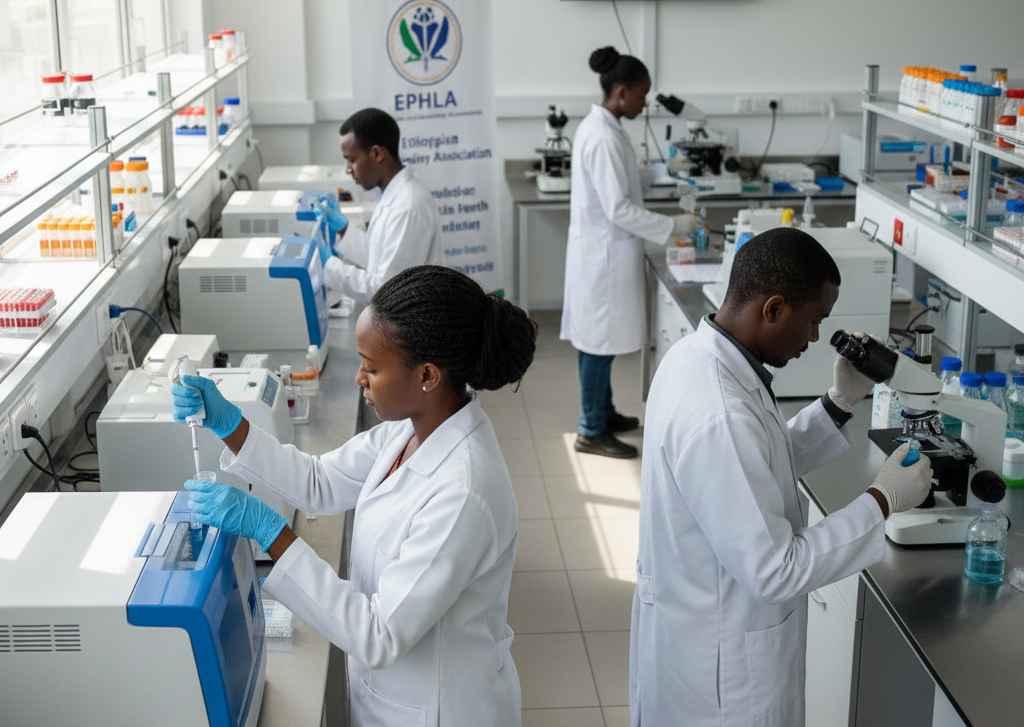
- Organize standardized training on malaria laboratory diagnosis and quality assurance for laboratory staff in ICAP-MDT activity-supported health facilities.
- Take responsibility for the logistics and operational aspects of the training component.
- Provide technical and infrastructural facilities, such as preparing the training schedule, printing training materials, and communicating with regional, zonal, or woreda offices for technical support.
- Select trainers and allocate trainees to each training session.
- Maintain records of trainees and their attendance, sharing them with ICAP.
II. Strengthen and scale up Quality Assurance (QA) Systems for Malaria Diagnosis and Treatment
Specific Objective: Conduct supportive supervision and laboratory audits to assess the quality of service in malaria diagnosis.
EPHLA Responsibilities:
- Identify and prepare all the necessary documents and formats for supervisory and audit visits.
- Plan and prepare standard supervision for ICAP-selected health facilities.
- Assign auditors/supervisors with sufficient skills and experience for clinical audits.
- Conducted biannual joint supportive supervision and laboratory audits at MDT Activity-supported health facility laboratories.
- Coordinate regular joint supportive supervision and laboratory audits with other sub-awardees and Regional Health Bureaus (RHBs).
- Prepare a report and submit it to ICAP.
- Ensure the confidentiality and protection of all non-public information.
- Ensure onsite evaluation and correction of identified gaps at health facilities.