Funder: USAID
Sub-Grantee Project Collaboration Agreement with USAID-ETBE/MSH
Title: Enhancing Control and Prevention Interventions of Tuberculosis Through Improved Standard and Innovative Diagnostic Approaches in Selected Regions of Ethiopia
USAID-ETBE/MSH Funding Priority/Programmatic Focus Area:
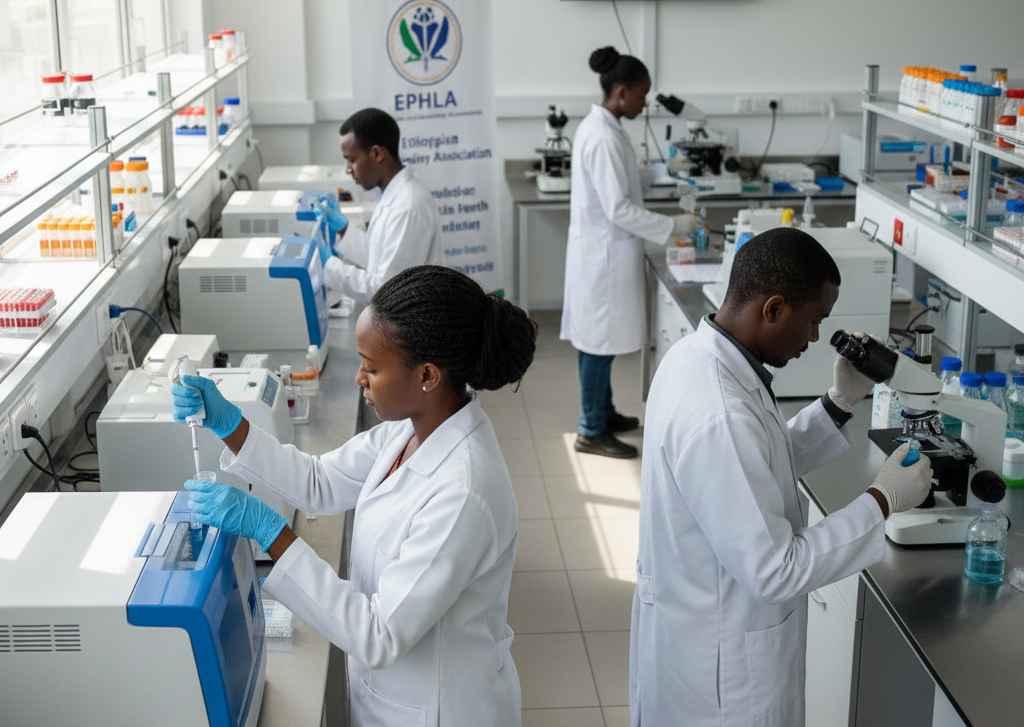
The project focused on expanding access to early and quality TB diagnosis, standard care, and treatment services. The following interventions was implemented:
- Capacity Development: Training programs will enhance laboratory professionals’ and healthcare providers’ technical skills, data management, and leadership competencies, enabling them to deliver improved TB diagnostic services.
- TB Infection Control: Conduct baseline health facility risk assessments to implement TB infection control measures and ensure the safety of patients and healthcare workers.
- Laboratory Quality Systems (LQMS): Implementing LQMS following the recommended processes and practices outlined in programs like SLMTA and SLIPTA will lead to accreditation to ISO 15189 standards and improved quality of laboratory diagnostic services.
- GeneXpert Optimization: Maximizing the use of GeneXpert technology for TB diagnosis and detection of drug-resistant variants.
- Strengthening Referral Systems: Enhancing specimen referral networks, improving specimen transportation efficiency, and ensuring timely result delivery to optimize testing services.
- Operational Data Analysis: Utilizing connectivity solutions like GxAlert to capture and analyze operational data directly from diagnostic instruments. This will support improved healthcare services and facilitate faster turnaround times for test results.
The Ethiopian Public Health Laboratory Association (EPHLA) played a crucial role in capacity-building efforts, leadership development, and knowledge dissemination through platforms such as conferences, workshops, seminars, newsletters, job aids, and their website.